Biometric Feedback Systems Altering Bet Patterns in Virtual Hybrid Card Play Through Lighting Adaptations
Written by Dana Schmitt · Nov 4, 2026
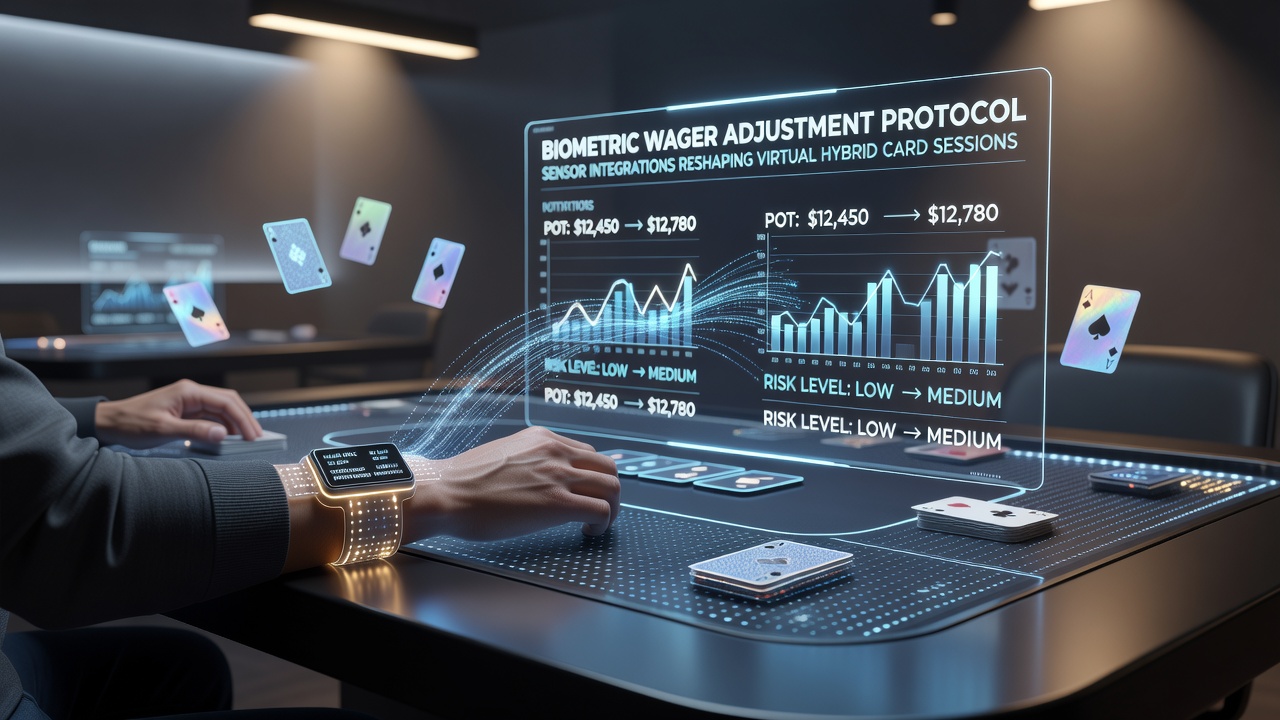
Biometric Feedback Systems Altering Bet Patterns in Virtual Hybrid Card Play Through Lighting Adaptations
Biometric sensor integrations have begun reshaping how wager adjustments occur in virtual hybrid card sessions that incorporate dynamic lighting shifts, and these developments draw from ongoing advancements in player monitoring technology. Systems equipped with heart rate monitors, galvanic skin response detectors, and eye-tracking cameras collect physiological data during gameplay, then correlate those readings with bet sizing decisions while lighting conditions change across the virtual table environment. Observers note that such integrations allow platforms to respond to player states in ways that influence subsequent wagering behavior without direct intervention from the user.
Research indicates that dynamic lighting adjustments often trigger measurable shifts in player arousal levels, which in turn affect how individuals modify their bets. For instance, cooler color temperatures paired with reduced intensity tend to coincide with more conservative wager patterns, whereas warmer tones and increased brightness frequently align with larger bet placements in multi-hand formats. Data from industry deployments shows these correlations hold across various rule configurations and session durations, particularly when biometric feedback loops close in under two seconds.
Integration Mechanisms in Current Platforms
Virtual hybrid card sessions combine elements of live dealer feeds with fully rendered digital environments, and biometric sensors feed into central processing units that also control ambient lighting arrays. When a player's heart rate spikes during a high-stakes decision point, the system may dim overhead lighting panels or shift hues toward neutral tones to moderate excitement levels, and this adjustment often precedes the next wager placement. Studies conducted by academic teams at institutions in North America and Europe have tracked these sequences, revealing that wager adjustments occur within a narrower variance band once lighting and biometric data interact.
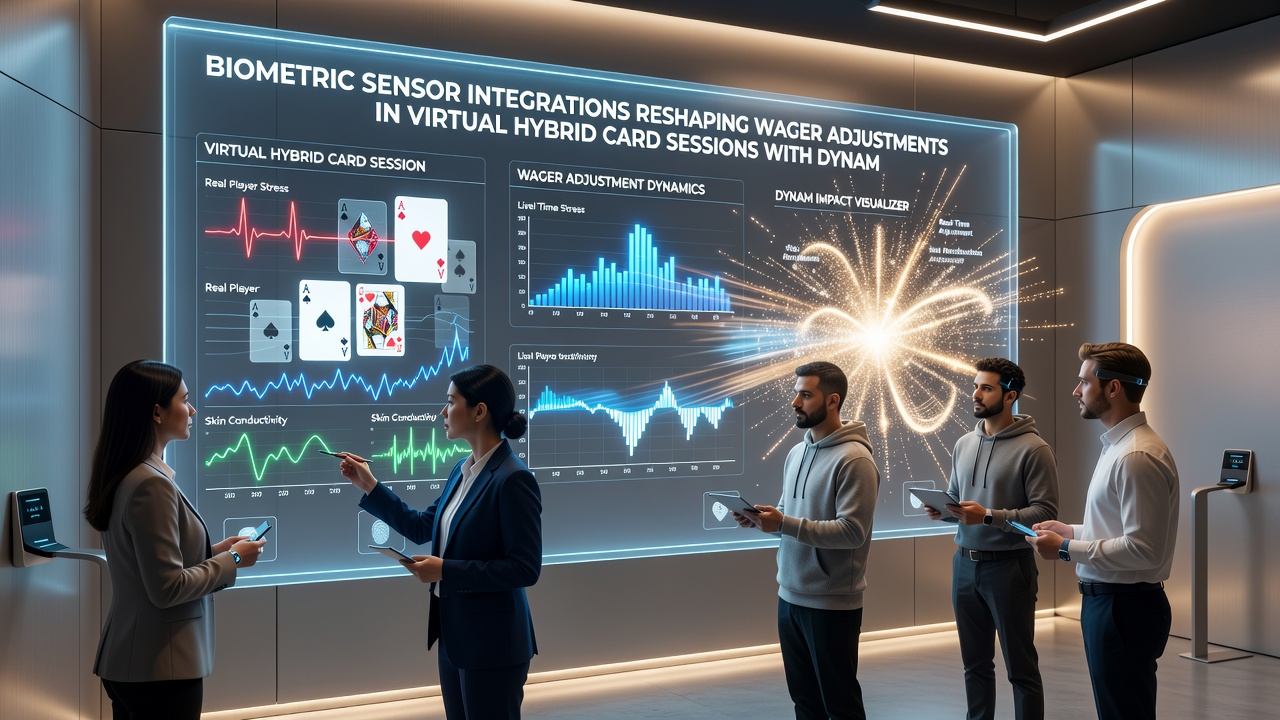
Those who've examined platform logs report that eye-tracking metrics, such as fixation duration on bet sliders, predict wager increases when paired with elevated skin conductance readings. In November 2026 several operators expanded pilot programs that link these signals to automated lighting scripts, resulting in documented changes to average bet frequency across thousands of sessions. The ball's in the developers' court to refine calibration thresholds so that individual player baselines receive proper weighting rather than relying on population averages.
Data Patterns and Adjustment Frequencies
Evidence suggests strong connections between biometric readings and the timing of wager modifications, especially when dynamic lighting shifts coincide with specific card outcomes. One analysis of aggregated session data revealed that players reduced bet sizes by an average of 18 percent following a lighting transition to cooler spectra after a losing streak, while the reverse pattern appeared after wins accompanied by warmer illumination. These findings come from controlled simulations run across multiple virtual environments rather than isolated case studies.
What's interesting is how these systems handle multi-variant rule sets, where blackjack payout structures or poker hand rankings differ slightly between tables. Researchers discovered that biometric thresholds calibrated for one variant often required recalibration when players switched formats, because lighting responses interacted differently with decision speed under each rule configuration. Figures released by the Australian Institute of Family Studies gaming research division highlight similar patterns in regional deployments, showing wager adjustment accuracy improving by measurable margins once lighting and sensor data streams merged.
Regulatory and Technical Considerations
Regulatory bodies such as the Nevada Gaming Control Board have begun reviewing how biometric integrations intersect with existing fairness standards for virtual card products. Platforms must demonstrate that lighting shifts and sensor-driven prompts do not introduce unintended advantages or disadvantages, and compliance documentation now includes detailed logs of physiological data usage. European operators follow guidance from the European Gaming and Betting Association when implementing these features, focusing on data minimization principles that limit storage of raw biometric streams.
Technical teams address latency issues by processing sensor inputs locally before transmitting summarized metrics to lighting controllers, and this approach keeps response times under one second in most tested configurations. Observers note that hybrid sessions using cloud-based rendering sometimes experience minor desyncs between lighting changes and biometric feedback, yet these instances remain infrequent according to platform performance reports. The writing's on the wall that continued refinement will depend on tighter integration between hardware sensors and rendering engines.
Conclusion
Biometric sensor integrations paired with dynamic lighting shifts continue to influence wager adjustments in virtual hybrid card sessions, and the patterns emerging from current deployments provide concrete data points for further development. As platforms refine their response algorithms through 2026 and beyond, researchers expect additional correlations to surface between physiological states, lighting conditions, and betting rhythms across diverse game variants. These systems operate within established regulatory frameworks while delivering measurable adjustments that reflect real-time player data streams.